DIY or Professional Fence Installation: Why Hiring a Professional Saves You Time and Money
When homeowners face the task of putting up a fence, they often weigh the benefits and drawbacks of doing it themselves versus employing an expert. Although the appeal of cutting costs with a DIY approach is attractive, the possible complications can result in greater expenses and delays. Trained specialists offer knowledge and effectiveness, which can prove critical when addressing intricate installation demands. This brings up a key consideration: What true value does selecting expert installation provide?
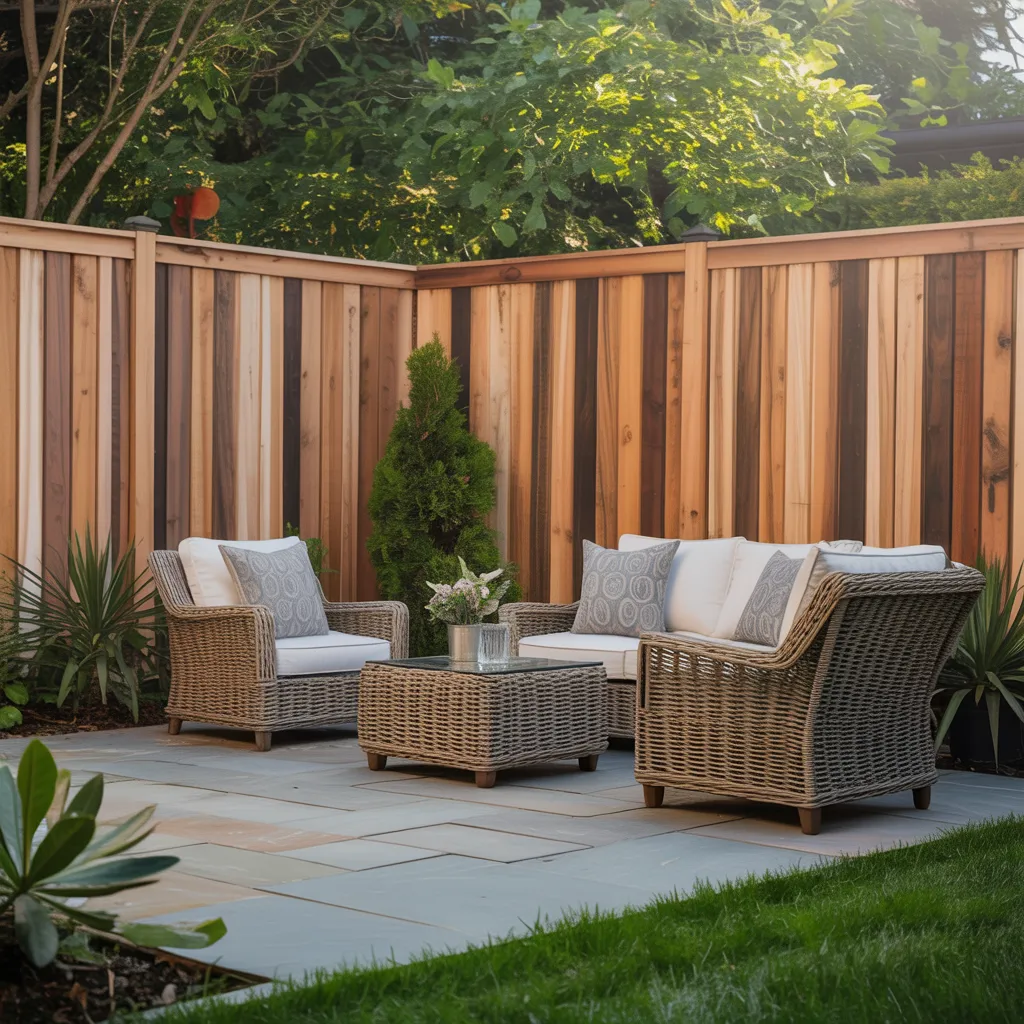
Why Professional Fence Installation Matters
Though some homeowners choose to take a DIY approach to fence installation, the advantages of hiring professionals often outweigh the initial cost. Professional installers bring expertise that guarantees the fence is erected correctly and efficiently. They utilize specialized tools and equipment, which lowers the chance of errors and boosts overall quality. Additionally, their experience allows them to navigate challenges such as uneven terrain or local regulations, which can complicate DIY efforts.
In addition, engaging professional installers often delivers quicker project timelines, freeing homeowners from the stress of prolonged undertakings. Professionals also provide guarantees on their installations, providing reassurance pertaining to durability and maintenance. Such guarantees help alleviate concerns about future complications that may stem from faulty installation. Overall, the benefits of professional fence installation include quality craftsmanship, time savings, and long-term reliability, making it a prudent choice for many homeowners.
How Much Does Professional Installation Cost?
The expense of professional fence installation can differ significantly due to several key factors, including materials, labor, and site conditions. Understanding these influences is important for homeowners who are considering this option. Additionally, evaluating long-term value can assist in determining whether the investment is consistent with future requirements and property value enhancement.
Variables Impacting Installation Cost
Many elements impact the full price of professional fence installation, highlighting the need for homeowners to be aware of what factors into these expenditures. The type of materials selected—such as metal, wood, or vinyl—plays a major role in determining the budget. Moreover, the dimensions of the fence are important factors; bigger projects tend to cost more. Labor expenses also vary based on local market rates and the complexity of the project. Terrain and site factors, such as terrain and accessibility, can add to the overall expense, as supplementary tools or groundwork could be necessary. To conclude, any applicable permits or regulatory inspections must be included in the budget, contributing to the overall cost. Recognizing these components helps homeowners make informed decisions about their fencing projects.
Considerations for Long-Term Value
Comprehending the financial aspects connected to professional fence installation goes beyond the immediate expenses. While the preliminary fees can seem higher compared to DIY options, the lasting value frequently warrants the investment. Professionals provide expertise that secures proper installation, which can minimize the need for expensive repairs and maintenance as time goes on. Additionally, a well-installed fence can enhance property value and curb appeal, potentially providing a return on investment when selling a home. The resilience of professionally installed materials frequently exceeds DIY alternatives, minimizing future replacement costs. Ultimately, bringing in a specialist can lead to considerable financial benefits and peace of mind, making the initial expenditure worthwhile in the context of extended value.
Common Hurdles of DIY Fence Projects
Embarking on a DIY fence project can readily expose a host of hidden challenges. Homebuilders often underestimate the difficulty of proper planning, including property line assessments and securing required permits. Without an accurate survey, they risk encroaching on neighbors' land or breaking municipal codes.
Moreover, identifying the appropriate materials and tools can be overwhelming. Limited experience may contribute to purchasing substandard supplies or incorrectly estimating the required quantities, resulting in higher costs and project delays. Correct installation practices are necessary; improper alignment or insufficient post depth can compromise the fence's durability and effectiveness.
Moreover, many DIYers lack the experience to anticipate weather-related setbacks, which can bring work to a standstill. Strenuous physical tasks, such as digging post holes or handling heavy materials, can also deter even the most motivated individuals. Such difficulties emphasize the demanding nature of DIY fence construction, prompting many to reconsider the value of professional expertise.
The Way Professionals Help You Save Time
When considering fence installation, professional installers provide notable time benefits compared to DIY attempts. Their experience with organizing and completing projects guarantees speedier results and reduces delays. This professional efficiency permits homeowners to benefit from their new fencing without the extended wait typically attributed to self-installation.
Speedier Project Finalization
Bringing in professional installers significantly speeds up the fence construction process. Experts bring specialized tools and experience, permitting them to wrap up projects more efficiently than most DIY attempts. While a homeowner might take days or even weeks to finish installation, experts typically complete the work in just hours or days, according to the scale of the installation. Their knowledge of diverse materials and methods allows them to address obstacles effectively, minimizing delays. Moreover, professional teams usually collaborate effectively, dividing tasks to enhance productivity. This not only accelerates the installation but also decreases the chance of mistakes that could extend the timeline. Ultimately, hiring professionals guarantees a timely completion, permitting homeowners to take advantage of their new fence in less time.
Skilled Planning and Execution
Though many homeowners fail to recognize the value of comprehensive planning, professional installers recognize that meticulous preparation is key to a successful fence project. Experts begin with a detailed assessment of the site, taking into account elements such as landscape, ground conditions, and municipal guidelines. This thorough strategy confirms that all essential supplies are secured and that the plan reflects the homeowner's goals while remaining in accordance with local codes.
Moreover, experts employ modern tools and proven techniques, optimizing the installation workflow. Their expertise enables them to anticipate potential challenges and address them proactively, minimizing setbacks. By overseeing schedules and organizing workforce activities, skilled workers not only conserve time but also prevent costly oversights that often result from insufficient preparation. In essence, professional preparation and execution produce a streamlined, highly efficient installation.
How Experts Manage Local Regulations
Maneuvering local codes can be a challenging task for homeowners, but specialists shine in this area. Skilled fence installation specialists possess in-depth knowledge of zoning regulations, building codes, and permit requirements specific to each locality. They remain informed about regulatory updates, ensuring compliance that homeowners may miss.
In addition, skilled contractors often have strong connections with local regulatory agencies, which can speed up the permitting process. This familiarity empowers them to address any potential roadblocks effectively, reducing setbacks that might stem from lack of clarity of local regulations.
Additionally, experts can help homeowners choose the right materials and designs that meet local guidelines, lowering the chances of future violations or forced modifications. By leveraging their expertise, professionals streamline the installation process, saving homeowners from the stress and potential pitfalls of regulatory compliance. In the end, engaging a professional not only ensures detailed resource compliance with legal requirements but also improves the overall effectiveness of the project.
Why Expert Installation Ensures Quality and Longevity
Steering through local regulations is only part of securing a successful fence installation; the quality of workmanship plays a crucial role in the fence's long-term performance. Experienced installers bring a wealth of expertise, utilizing techniques that ascertain proper alignment, depth, and stability of fence posts. Their skill limits common installation challenges, such as leaning or settling, which can weaken a fence's structural integrity over time.
In addition, professional contractors utilize high-quality supplies, grasping the nuances of diverse fencing options and how they react to natural elements. This understanding works to prevent premature deterioration and harm, extending the longevity of the fencing structure.
Moreover, skilled fitting commonly features proper finishing and weatherproofing techniques that strengthen resistance to the elements. Through utilizing qualified installers, residents can feel confident that their fence will exceed as well as meet design goals but also withstand the test of time, offering reassurance and minimizing the requirement for constant fixes.
Long-Term Value of Professional Fence Installation
Opting for expert fence installation offers considerable long-term value that frequently exceeds initial costs. Skilled professionals offer expertise, making certain the fence is properly installed, which minimizes the chances of future repairs. A well-installed fence can handle environmental pressures, prolonging its life substantially compared to do-it-yourself attempts that may weaken the overall structure.
Furthermore, working with a skilled contractor typically improves the worth of the property. A professionally installed fence not only improves aesthetics but also boosts the property's curb appeal, making the property more attractive to potential buyers. This proves especially significant in real estate markets where first impressions matter.
Additionally, skilled contractors commonly include service guarantees, offering reassurance that DIY projects commonly do not include. Such coverage for structural flaws or harm protects homeowners from surprising expenditures down the line. Overall, the long-term investment in skilled professional work proves beneficial, in both economic value and in preserving a home's structural quality.
Questions We Frequently Receive
Can I Put Up a Fence on My Own if I Have No Experience?
Yes, it is possible to set up a fence without any prior knowledge, but this can result in challenges and mistakes. Thorough research, strategic planning, and patience are necessary, though working with a professional can guarantee a highly efficient and dependable outcome.
What Tools Are Required for DIY Fence Installation?
When installing a fence, essential tools include safety gear, a post hole digger, level, measuring tape, hammer, saw, fence panels, and concrete mix. These essential tools ensure correct installation and boost overall efficiency during the entire process.
What Is the Best Way to Choose the Right Fencing Material?
Selecting the ideal fence material entails considering durability, upkeep, appearance, and cost. Popular choices include wood, vinyl, metal, and composite. Reviewing each material's benefits and drawbacks assists in making a well-informed choice that aligns with particular needs.
What Maintenance Do Fences Require After Installation?
Fences demand consistent care, which includes washing, examining for damage, and adding protective treatments. Timber fences benefit greatly from sealing and staining, whereas metal fences may require rust treatment. Routine care extends the life of your fence and keeps it looking its best.
How Do I Make Sure My Fence Stays Level and Straight?
To guarantee a fence is level and straight, one should use a long level or string line to guide the installation. Regularly check alignment during installation, making adjustments to posts as needed to keep the fence consistent from start to finish.